john@pinkroutes.com
Defence of British PortsDefence of British PortsDefence of British PortsDefence of British Ports
  • Home
    • Members/Join
    • Word Map
    • HMOCS
      • Palestine
      • Kenya
        • Kenya Family
      • Hong Kong
    • Cookie Policy (UK)
    • Privacy Policy
    • Terms & Conditions
    • Site Map
  • RESEARCH
    • THE BRITISH ARMY
      • British Army Deployment 1853
    • EVOLUTION OF FORTIFICATIONS
      • Polygonal Forts
      • Martello Towers
      • Twydall Profile
    • DEFENDED PORTS
      • Home Defended Ports
      • Overseas Defended Ports
    • FEATURES OF PORT DEFENCE
      • General Principles for Defended Ports
      • Coast Defence Batteries
      • Coastal Forts
      • Land Forts
      • Artillery
        • British Coast Defence Guns
        • Disappearing Guns
        • High Angle Fire Guns
        • Position Finding
      • Tresidders Cartridge Store
      • Defence Electric Lights
        • Protecting Defence Electric Lights
      • Submarine Warfare
        • Analysis of a Submarine Mining Establishment
        • Gazetteer of SMEs
        • Brenann Torpedo
      • Ordnance Depots
    • ROYAL NAVY
      • Warships
        • Motor Torpedo Boats
    • ODDS & ENDS
      • CABLES
      • COAL
        • Coaling Stations
          • Coaling Stations Finance
      • BOUNDARY STONES
      • FENCING
      • WATER TANKS
  • Home Waters
    • ENGLAND
      • Barrow
      • Bristol
      • Chatham
        • Sheerness
      • Dover
      • Falmouth
      • Hartlepool
      • Harwich
      • Humber
      • Mersey
      • Newhaven
      • Plymouth
      • Portland
      • Portsmouth
      • Sunderland
      • Tees
      • Thames
      • Tyne
    • SCOTLAND
      • Aberdeen
      • Clyde
      • Forth
      • Scarpa Flow
      • Tay
    • WALES
      • Barry
      • Cardiff
      • Milford Haven
      • Swansea
    • IRELAND
      • Belfast
      • Berehaven Anchorage
      • Cork
      • Dublin
      • Lough Swilly Anchorage
    • CHANNEL ISLANDS
      • Alderney
      • Jersey
      • Guernsey
    • ISLES OF SCILLY
  • Atlantic Ocean
    • HALIFAX
      • St John’s
    • CARIBBEAN
      • St Lucia
      • Port Royal
      • Barbados
      • Bahamas
      • Trinidad & Tobago
      • British Guiana
      • British Honduras
    • BERMUDA
    • FALKLAND ISLANDS
    • ASCENSION ISLAND
    • ST HELENA
    • SIERRA LEONE
    • SOUTH AFRICA – ATLANTIC OCEAN
      • Table Bay
      • Simon’s Town
  • Indian Ocean
    • SOUTH AFRICA – INDIAN OCEAN
      • Port Elizabeth
      • Durban
    • MAURITIUS
    • ADEN
      • Perim Island
    • CEYLON
      • Colombo
      • Trincomalee
    • AUSTRALIA -WEST COAST
      • Fremantle
      • Port Adelaide
      • Port Philip
      • Albany
      • Warnambool, Port Fairy & Portland
    • INDIA
      • Bombay
      • Calcutta
      • Karachi
      • Madras
      • Rangoon
      • India Breech Loading Guns
  • Pacific Ocean
    • AUSTRALIA – EAST COAST
      • Thursday Island
      • Townsville
      • Brisbane
      • Newcastle
      • Sydney
      • Wollongong
      • Hobart
      • Launceston
    • SINGAPORE
    • HONG KONG
      • Hong Kong 1864
    • WEI HAI WEI
    • NEW ZEALAND
      • Auckland
      • Wellington
      • Otago, Port Chalmers and Dunedin
      • Port Lyttelton
    • ESQUIMALT
  • Mediterranean Sea
    • MALTA
    • GIBRALTAR

WATER TANKS

  • Cable Communications
  • BOUNDARY STONES
  • COAL
    • Coaling Stations
      • Coaling Stations Finance
  • WATER TANKS
  • FENCING
Home RESEARCH ODDS & ENDS WATER TANKS

WATER TANKS

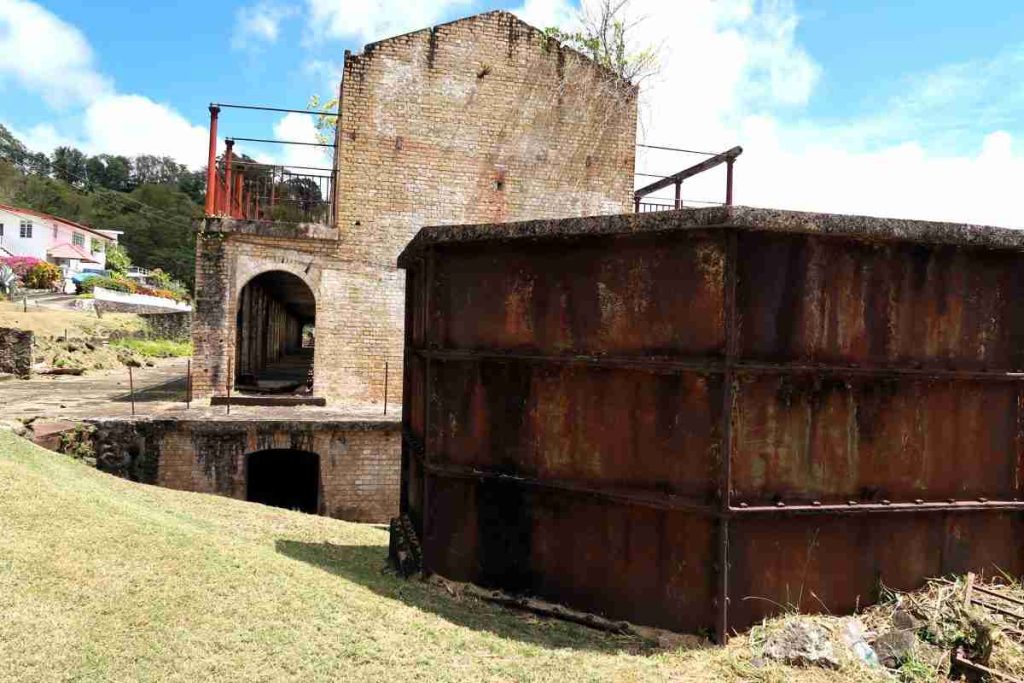
By the 1860s the British military had a presence in about one quarter of the World, many garrisons being in dry locations.  Water supply was one of the key concerns, particularly for the Royal Navy when it came to the resupply of warships.  Water catchments were built in many locations, and some of these fed sizeable underground storage tanks such as in Antigua.  In other places, such as Bermuda, the roof tops of all buildings were used to collect water and this still done to this day in many cases.

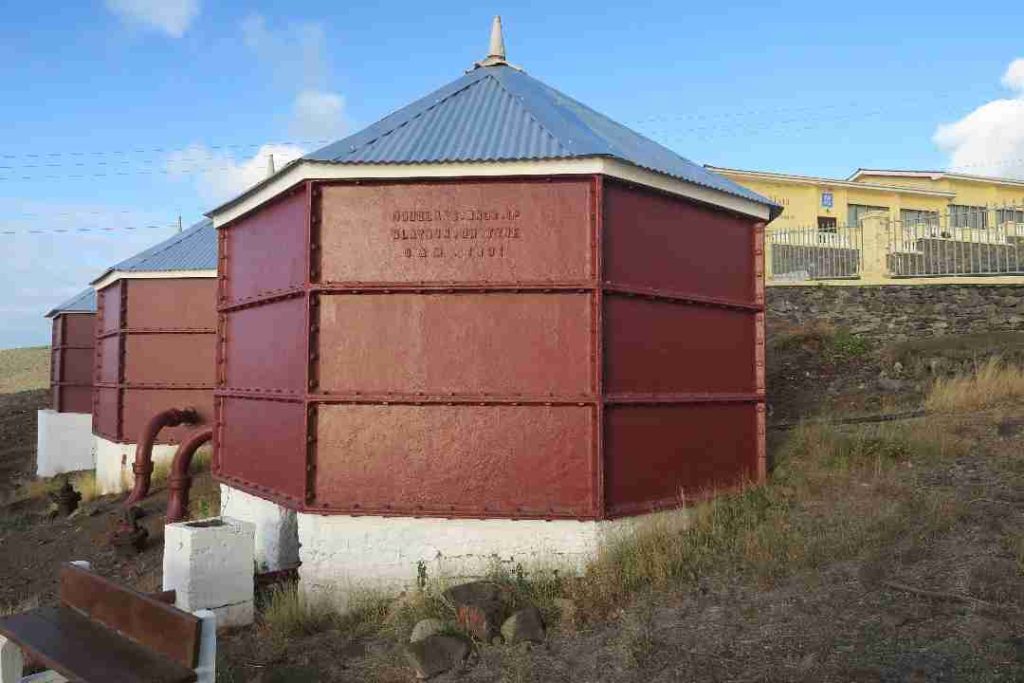
The requirements for barracks and other accommodation was slightly different and here the British adopted the use of cast iron water tanks.  The preferred supplier would appear to have been Douglas Bros. Ltd. of Blaydon-on-Tyne manufactures a wide range of steel products including tanks and coal tubs.  Fortunately for us, many of the surviving water tanks bear the Douglas Bros. Ltd. on their sides.
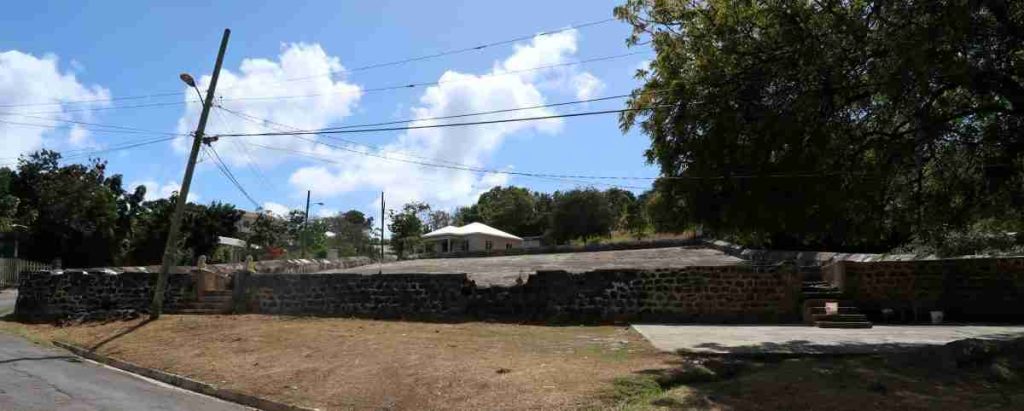
Water Catchment, Antigua

General view

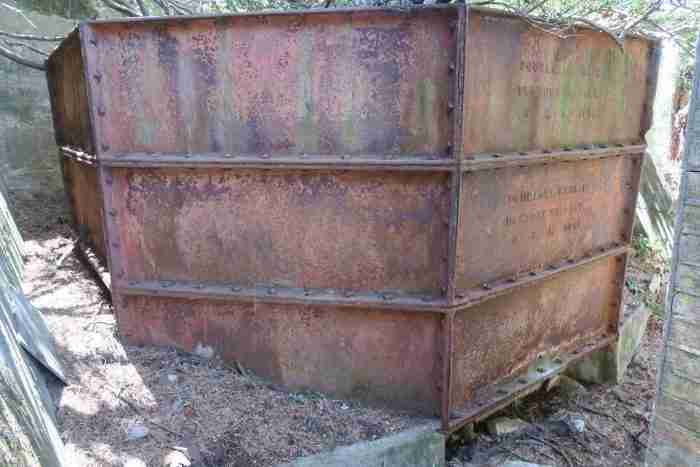
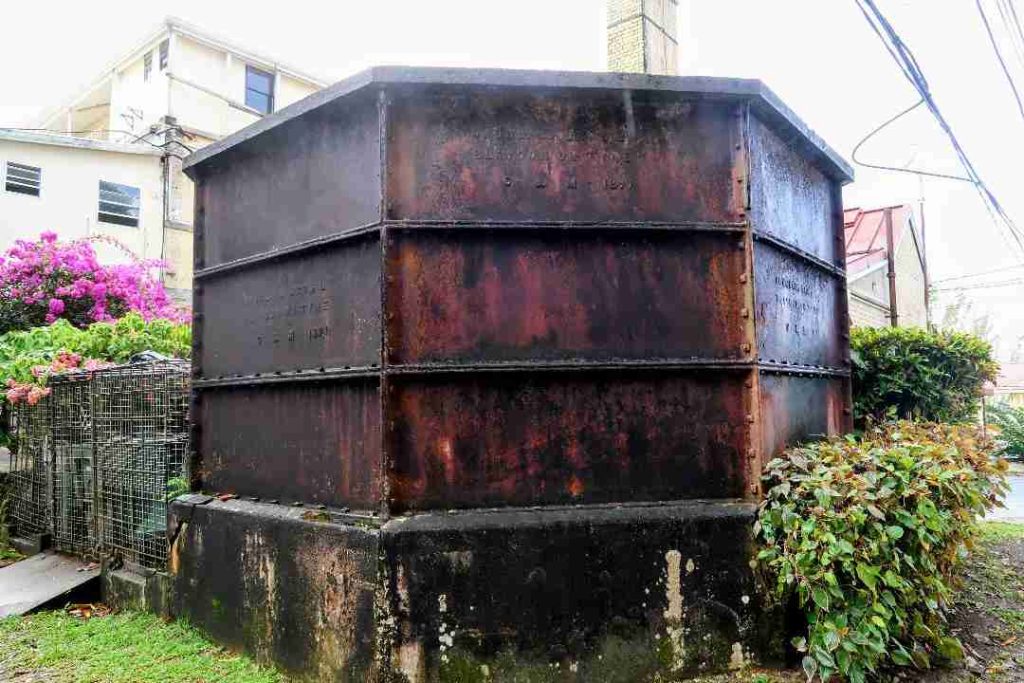
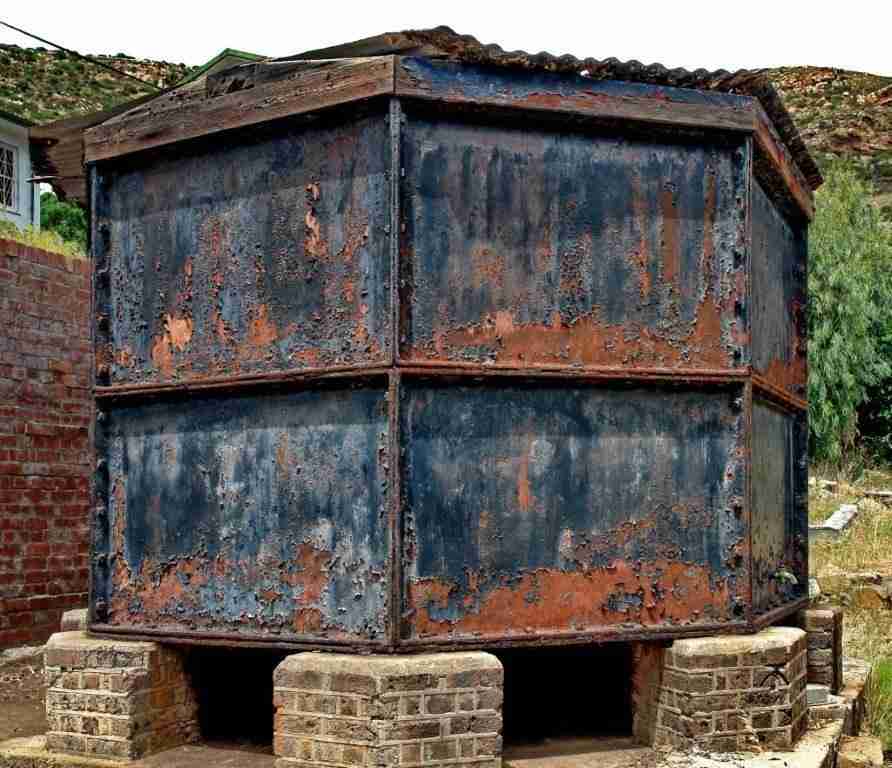
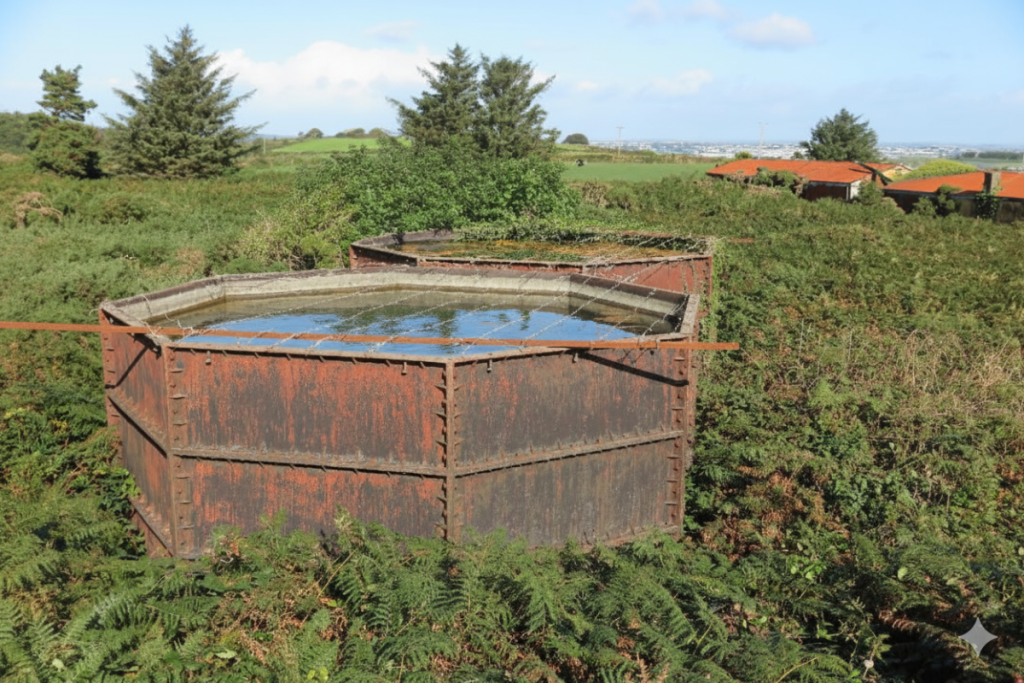
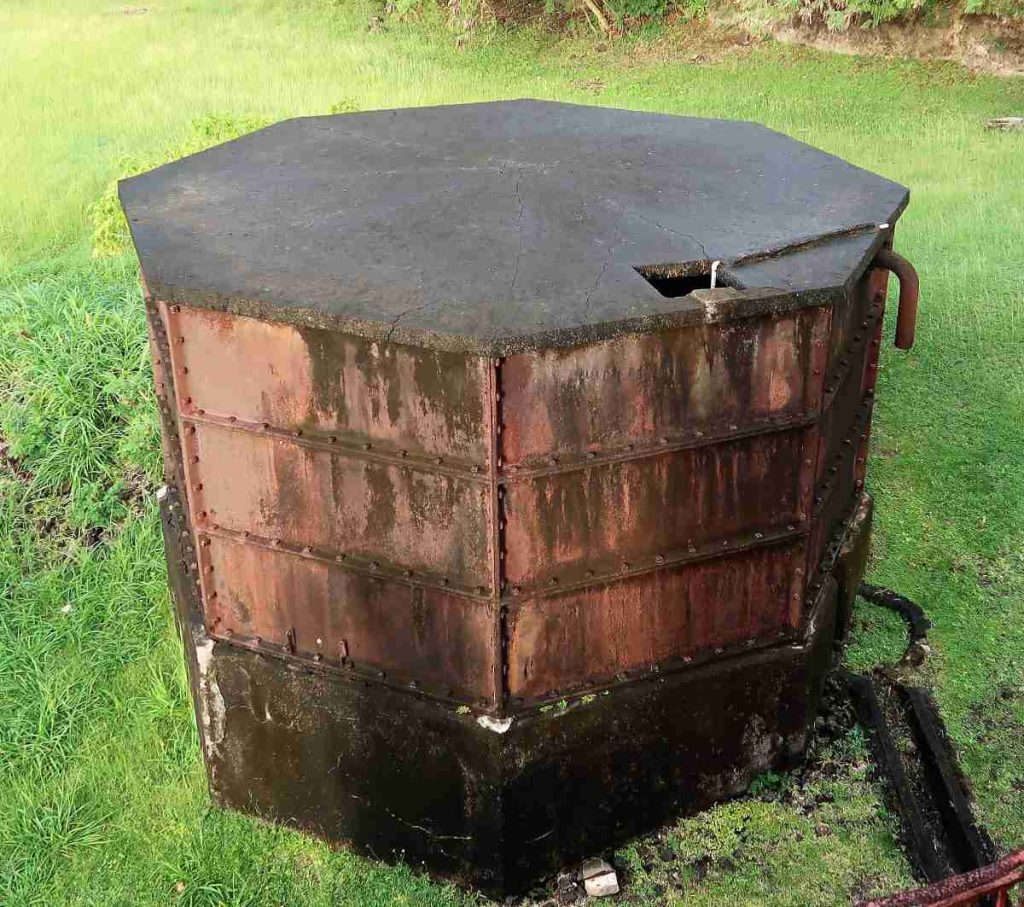
Octagonal water tanks can be found on military land in many former British possessions.  It would appear that the octagonal water tanks, produced by Douglas Bros. Ltd.  Blaydon on Tyne, were provided to the British military under a procurement contract.   From surviving examples these distinctive water tanks appear to the been supplied from the 1840s until at least 1914.

The most common tank appears to have held about 5,000 galleons of water.  Some plans show the amount of water as 5,062 galleons. There was also a 10,000 galleon tank identified from plans, such as the tanks at the barracks, Middle Hill in Gibraltar.

Octagonal Water Tank, St. Lucia

Douglas Water Tank

The tanks were manufactured in the Globe Iron Work in Blaydon on Tyne.  The tank was transported in at least thirty three main pieces as a flat pack or kit form.  Each of the eight sides of the tank was composed of three sections giving a total of twenty four sections for the sides.  The bottom was composed of nine sections, one octagonal piece and then eight smaller pieces on each side.  All sections were bolted together with square headed bolts about 70 mm long. The top of the tank had no specific covering so was sometimes covered with corrugated iron, concrete or other suitable materials.  The tanks were often mounted on slightly raised concrete or wood  bases.

As far as we can determine there has been no academic study of these octagonal tanks produced by Douglas Bros. Ltd.

Vigi, St Lucia

Vigi, St Lucia

Gibralatar

Middle Hill, Gibraltar

Caribbean

Water tank, Carribean

St Helena

Water tanks

Simmons Town

Simmons Town water tank

Cork, Ireland

Water Tanks, Ireland

© Pink Routes 2021 | All Rights Reserved.
  • HOME PAGE
    • Members/Join
    • Map
    • Cookie Policy (UK)
    • Privacy Policy
    • Terms & Conditions
    • Site Map
  • RESEARCH
    • The British Army
      • British Army Deployment 1853
  • Features of Port Defence
  • British Fortifications
    • Polygonal Forts
    • Twydall Profile
  • Defended Ports
    • Home Defended Ports
    • Overseas Defended Ports
  • Port Defence
    • General Principles for Defended Ports
    • Coast Defence Batteries
    • Coastal Forts
    • Land Forts
    • Artillery
      • British Coast Defence Guns
      • Disappearing Guns
      • High Angle Fire Guns
      • Position Finding
    • Tresidders Cartridge Store
    • Defence Electric Lights
      • Protecting Defence Electric Lights
    • Submarine Warfare
      • Analysis of a Submarine Mining Establishment
      • Gazetteer of SMEs
      • Brenann Torpedo
    • Ordnance Depots
  • The Royal Navy
    • Warships
      • Motor Torpedo Boats
  • ODDS & ENDS
    • COAL
      • Coaling Stations
        • Coaling Stations Finance
    • Cable Communications
    • Boundary Stones
    • Fencing
    • Water Tanks
  • HOME WATERS
    • ENGLAND
      • Barrow
      • Bristol
      • Chatham (Dockyard)
      • Sheerness
      • Newhaven
      • Dover (Dockyard)
      • Falmouth
      • Hartlepool
      • Harwich
      • Humber
      • Mersey
      • Plymouth (Dockyard)
      • Portland
      • Portsmouth (Dockyard)
      • Sunderland
      • Tees
      • Thames
      • Tyne
    • WALES
      • Barry
      • Cardiff
      • Milford Haven
      • Swansea
    • SCOTLAND
      • Aberdeen
      • Clyde
      • Forth
      • Scarpa Flow
      • Tay
    • IRELAND
      • Belfast
      • Berehaven Anchorage
      • Cork
      • Dublin
      • Lough Swilly Anchorage
    • Channel Islands
      • Alderney
      • Guernsey
      • Jersey
    • Isles of Scilly (St May’s)
  • ATLANTIC OCEAN
    • Halifax
    • St John’s, Newfoundland
    • CARIBBEAN
      • St Lucia (Coaling Station)
      • Port Royal (Coaling Station)
      • Bridge Town, Barbados
      • Belize, British Honduras
      • Georgetown, British Guiana
      • Port of Spain, Trinidad
    • Bermuda (Fortress)
    • Falkland Islands (Coaling Station)
    • Ascension Island
    • St Helena (Coaling Station)
    • Sierra Leone (Coaling Station)
    • South Africa, Atlantic Ocean
      • Table Bay
      • Simon’s Town
  • INDIAN OCEAN
    • South Africa, Indian Ocean
      • Durban
      • Agloa Bay, Port Elizabeth, South Africa
    • Mauritius (Coaling Station)
    • Aden
      • Perim Island
    • Ceylon – Sri Lanaka
      • Colombo (Coaling Station)
      • Trincomalee (Coaling Station)
    • Australian Seaboard, West Coast
      • Fremantle
      • Port Adelaide
      • Port Philip, Melbourne
      • Albany, King George’s Sound (Coaling Station)
      • Warnambool, Port Fairy and Portland
    • India
      • Bombay
      • Calcutta
      • Karachi
      • Madras
      • Rangoon
      • India Breech Loading Guns
  • PACIFIC OCEAN
    • Australia, East Coastline
      • Thursday Island, Torres Straights (Coaling Station)
      • Townsville, Cleveland Bay
      • Brisbane
      • Newcastle
      • Sydney
      • Wollongong
      • Hobart, Tasmania
      • Launceston, Tasmania
    • Singapore (Coaling Station)
    • Hong Kong (Coaling Station)
      • Hong Kong 1864
    • Wei Hai Wei
    • New Zealand
      • Auckland
      • Wellington
      • Otago, Port Chalmers and Dunedin
      • Port Lyttelton
    • Esquimalt, Coaling Station
  • MEDITERRANEAN
    • Gibraltar
    • Malta
Defence of British Ports
Manage Cookie Consent
We use cookies to optimise this website for your use.  This is none profit for educational purposes only.
Functional Always active
The technical storage or access is strictly necessary for the legitimate purpose of enabling the use of a specific service explicitly requested by the subscriber or user, or for the sole purpose of carrying out the transmission of a communication over an electronic communications network.
Preferences
The technical storage or access is necessary for the legitimate purpose of storing preferences that are not requested by the subscriber or user.
Statistics
The technical storage or access that is used exclusively for statistical purposes. The technical storage or access that is used exclusively for anonymous statistical purposes. Without a subpoena, voluntary compliance on the part of your Internet Service Provider, or additional records from a third party, information stored or retrieved for this purpose alone cannot usually be used to identify you.
Marketing
The technical storage or access is required to create user profiles to send advertising, or to track the user on a website or across several websites for similar marketing purposes.
  • Manage options
  • Manage services
  • Manage {vendor_count} vendors
  • Read more about these purposes
Preferences
  • {title}
  • {title}
  • {title}