john@pinkroutes.com
Defence of British PortsDefence of British PortsDefence of British PortsDefence of British Ports
  • Home
    • Members/Join
    • Word Map
    • HMOCS
      • Palestine
      • Kenya
        • Kenya Family
      • Hong Kong
    • Cookie Policy (UK)
    • Privacy Policy
    • Terms & Conditions
    • Site Map
  • RESEARCH
    • THE BRITISH ARMY
      • British Army Deployment 1853
    • EVOLUTION OF FORTIFICATIONS
      • Polygonal Forts
      • Martello Towers
      • Twydall Profile
    • DEFENDED PORTS
      • Home Defended Ports
      • Overseas Defended Ports
    • FEATURES OF PORT DEFENCE
      • General Principles for Defended Ports
      • Coast Defence Batteries
      • Coastal Forts
      • Land Forts
      • Artillery
        • British Coast Defence Guns
        • Disappearing Guns
        • High Angle Fire Guns
        • Position Finding
      • Tresidders Cartridge Store
      • Defence Electric Lights
        • Protecting Defence Electric Lights
      • Submarine Warfare
        • Analysis of a Submarine Mining Establishment
        • Gazetteer of SMEs
        • Brenann Torpedo
      • Ordnance Depots
    • ROYAL NAVY
      • Warships
        • Motor Torpedo Boats
    • ODDS & ENDS
      • CABLES
      • COAL
        • Coaling Stations
          • Coaling Stations Finance
      • BOUNDARY STONES
      • FENCING
      • WATER TANKS
  • Home Waters
    • ENGLAND
      • Barrow
      • Bristol
      • Chatham
        • Sheerness
      • Dover
      • Falmouth
      • Hartlepool
      • Harwich
      • Humber
      • Mersey
      • Newhaven
      • Plymouth
      • Portland
      • Portsmouth
      • Sunderland
      • Tees
      • Thames
      • Tyne
    • SCOTLAND
      • Aberdeen
      • Clyde
      • Forth
      • Scarpa Flow
      • Tay
    • WALES
      • Barry
      • Cardiff
      • Milford Haven
      • Swansea
    • IRELAND
      • Belfast
      • Berehaven Anchorage
      • Cork
      • Dublin
      • Lough Swilly Anchorage
    • CHANNEL ISLANDS
      • Alderney
      • Jersey
      • Guernsey
    • ISLES OF SCILLY
  • Atlantic Ocean
    • HALIFAX
      • St John’s
    • CARIBBEAN
      • St Lucia
      • Port Royal
      • Barbados
      • Bahamas
      • Trinidad & Tobago
      • British Guiana
      • British Honduras
    • BERMUDA
    • FALKLAND ISLANDS
    • ASCENSION ISLAND
    • ST HELENA
    • SIERRA LEONE
    • SOUTH AFRICA – ATLANTIC OCEAN
      • Table Bay
      • Simon’s Town
  • Indian Ocean
    • SOUTH AFRICA – INDIAN OCEAN
      • Port Elizabeth
      • Durban
    • MAURITIUS
    • ADEN
      • Perim Island
    • CEYLON
      • Colombo
      • Trincomalee
    • AUSTRALIA -WEST COAST
      • Fremantle
      • Port Adelaide
      • Port Philip
      • Albany
      • Warnambool, Port Fairy & Portland
    • INDIA
      • Bombay
      • Calcutta
      • Karachi
      • Madras
      • Rangoon
      • India Breech Loading Guns
  • Pacific Ocean
    • AUSTRALIA – EAST COAST
      • Thursday Island
      • Townsville
      • Brisbane
      • Newcastle
      • Sydney
      • Wollongong
      • Hobart
      • Launceston
    • SINGAPORE
    • HONG KONG
      • Hong Kong 1864
    • WEI HAI WEI
    • NEW ZEALAND
      • Auckland
      • Wellington
      • Otago, Port Chalmers and Dunedin
      • Port Lyttelton
    • ESQUIMALT
  • Mediterranean Sea
    • MALTA
    • GIBRALTAR

FENCING

  • Cable Communications
  • BOUNDARY STONES
  • COAL
    • Coaling Stations
      • Coaling Stations Finance
  • WATER TANKS
  • FENCING
Home RESEARCH ODDS & ENDS FENCING

FENCING

Fencing was used  widely around forts to delineate property boundaries and also to enhance to protection of military sites.   The introduction of barbed wire in about 1888 slowly supplemented fencing, particularly unclimbable fencing.   Fencing essential falls into two specific categories.

UNCLIMABLE FENCING

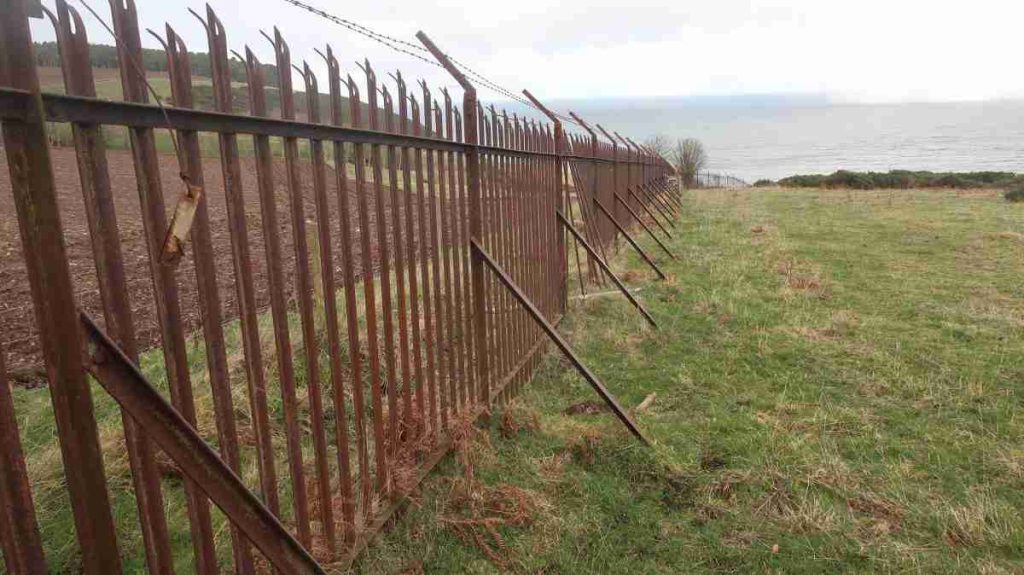
Fences were often used to provide a physical barrier around military sites to stop accidental intrusion.  In some cases this was designated as unclimbable fence, which were intended to prevent or inhibit a approach on foot by hostile forces.  The unclaimable fences were often used on the perimeter of coastal batteries or around army camps.

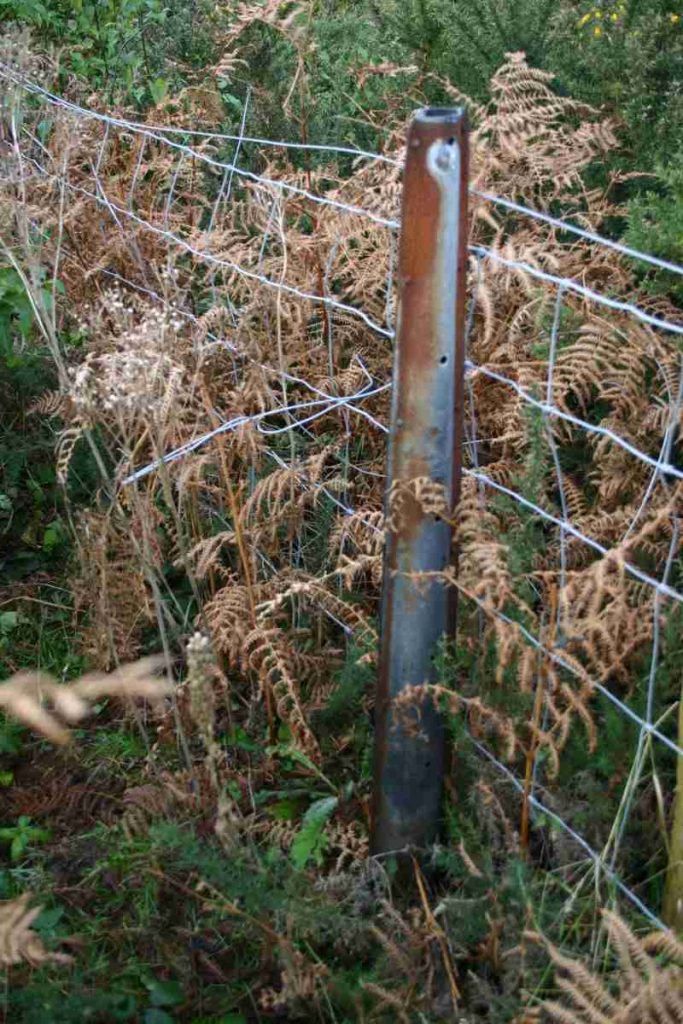
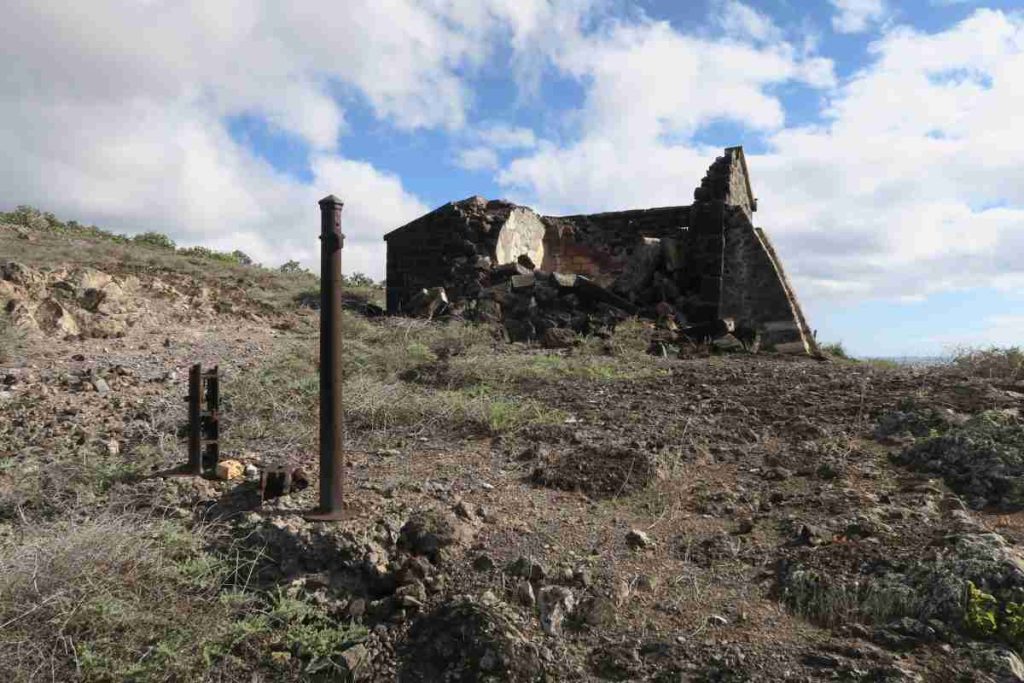
The images shows a section of unclaimable fence which still covers the gorge of Ives Battery, McNab Island, Halifax.

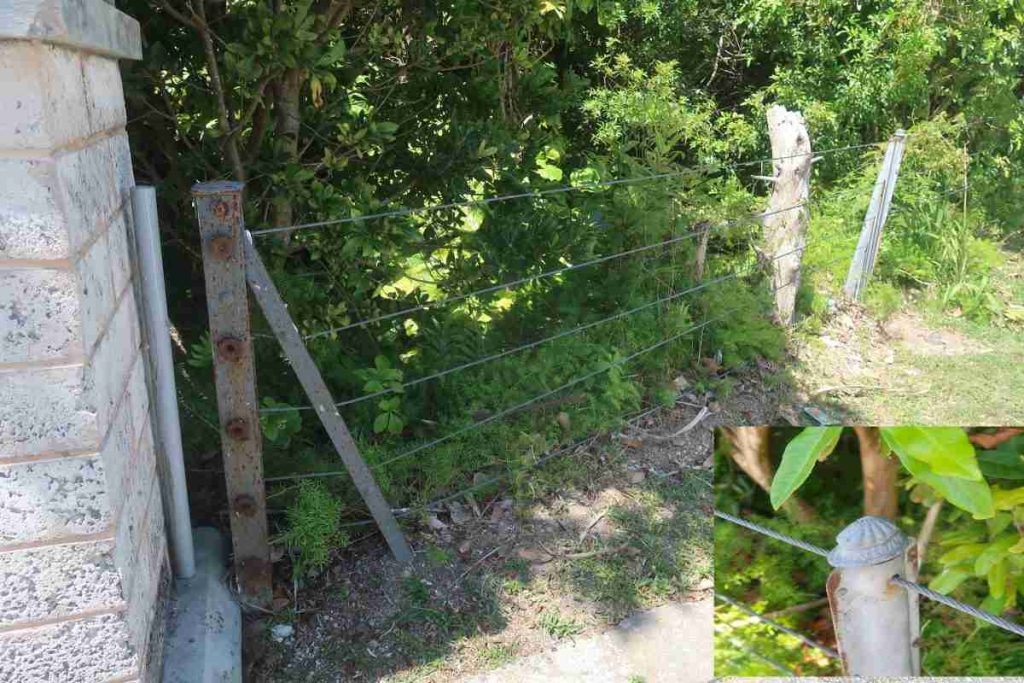
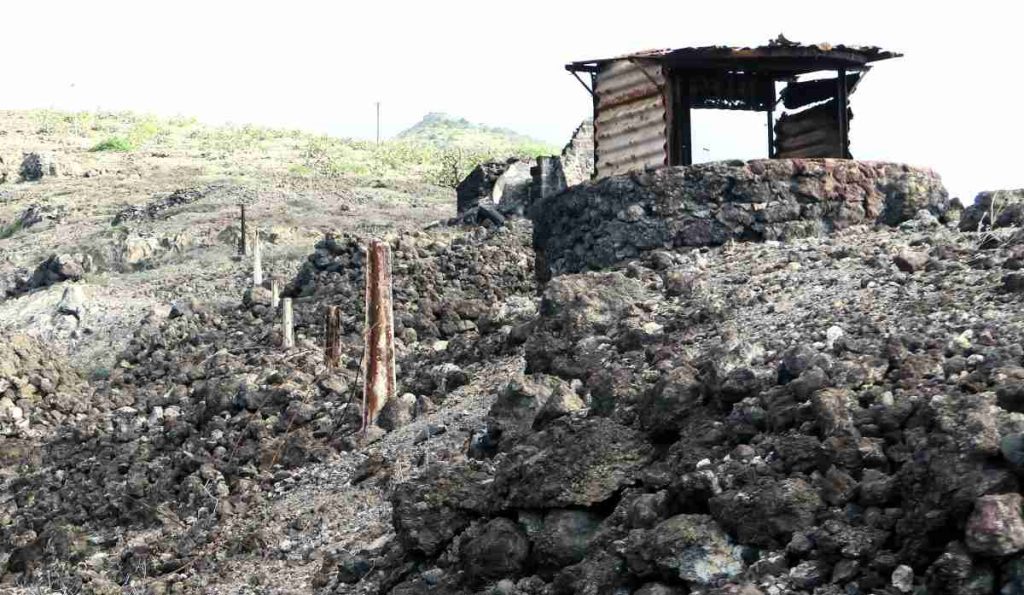
The lower image shows a section of the fence covering the Eastern side of Sutor Battery in Scotland.
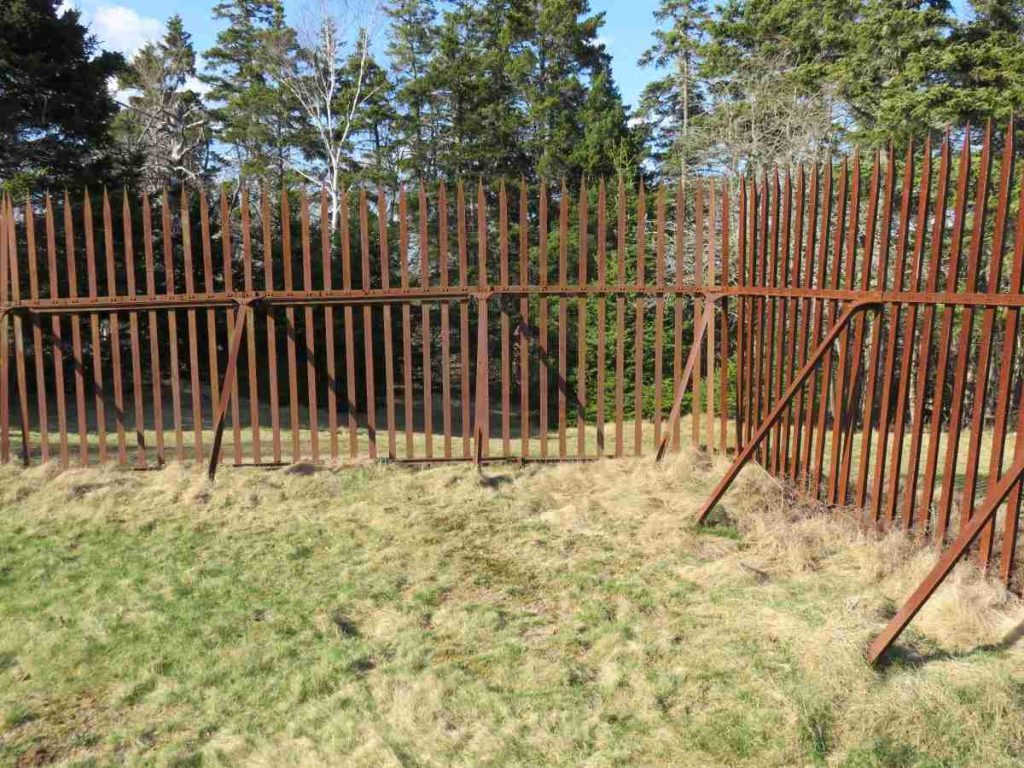
unclimbable fence
south Sutor unclimbable fence

BARRIERS

In some cases. particularly dockyards and barracks, solid brick walls were used around the perimeter with guarded access points.  This was largely for the security of the contents.

Lower wrought iron fences were also common which would inhibit any approach by foot.  In some case, such as the Royal Arsenal in Woolwich, these lower fences had electric wire on the top to deter unauthorised entry.  The image shows a small surviving section of the Royal Arsenal iron fence facing the Thames.
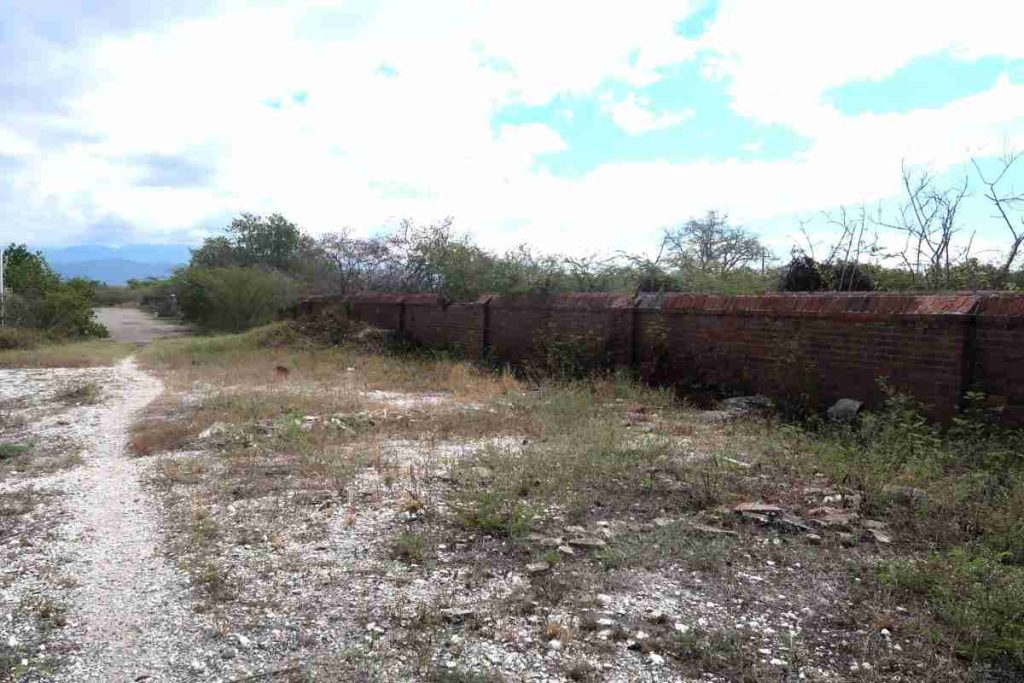
Dockyard Wall

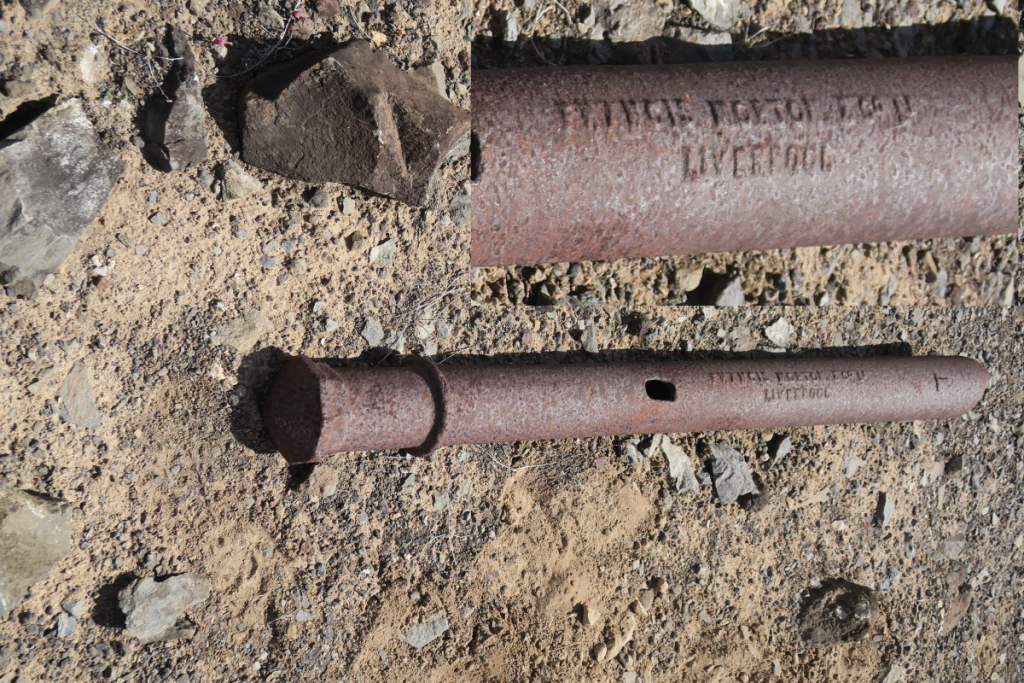
Brick walls were expensive, as were the majority of the wrought iron fences but were regarded as necessary.  In about 1865 the War Department entered a contact with Francis Morton & Co for high tension fences.  Subsequently Morton Fencing was installed around the World.

The Francis Morton & Co dates back to at least 1766 and has been described as a galvanised steel merchants in the Grace’s Guide to British Industrial History.  It was a family business first named John Morton and then Henry Morton.  It about 1855 Francis Morton took over and the company became known as Francis Morton & Co.  The main business was based in Liverpool but expanded with offices in London, Sheffield and Glasgow. It became a limited company in the 1880s after the death of Francis.

The Francis Morton & Co produced corrugated iron, iron buildings possibly including the new iron barracks shipped to the British Garrisons around the World, and in particular Winding Straining Pillars. The fence pillars and post were patent and about 1860, possibly earlier, they obtained a contract with the Government to supply fencing for use by the military.  Remains of Morton fences can still be found at many former British fortifications around the World.

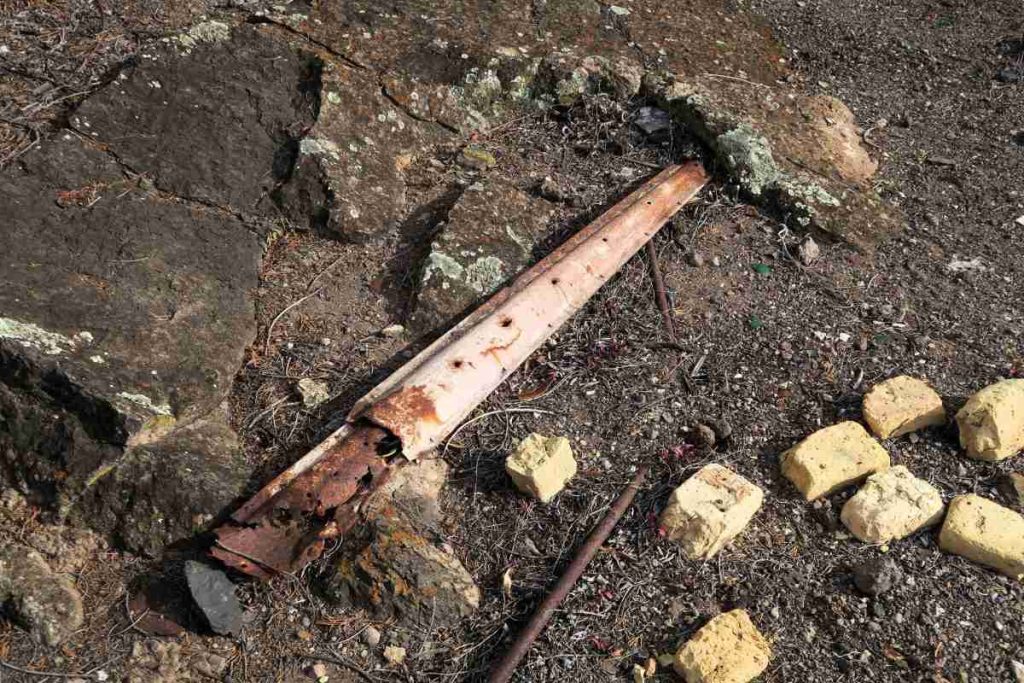
The main market for the fencing was the railway companies but the military used the fences around military sites, in particular on the outside of dry moats.  These were substantial fences, although the spacers were simply two section of thin iron folded together and topped with a heavy metal cap.  These caps bore the Francis Morton name.  The actual fence staining pillar was substantial weighting about 300 lbs with a sizeable proportion of the post buried under ground for stability and strength.

For more information on Francis Morton & Co. fencing see the Frontline Ulster website here.

Fort Magdalena
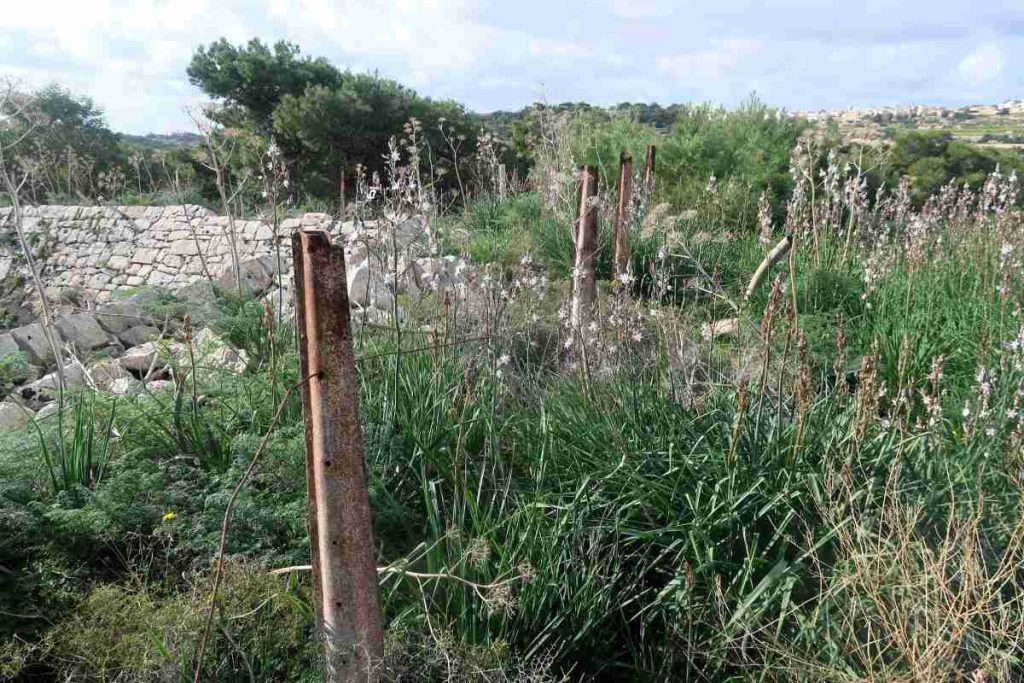
Remains of Morton fence line

Morton Fence Post

Single Morton fence post

Fort Camden

Fort Camden

Fort Hamilton

Fort Hamilton fence

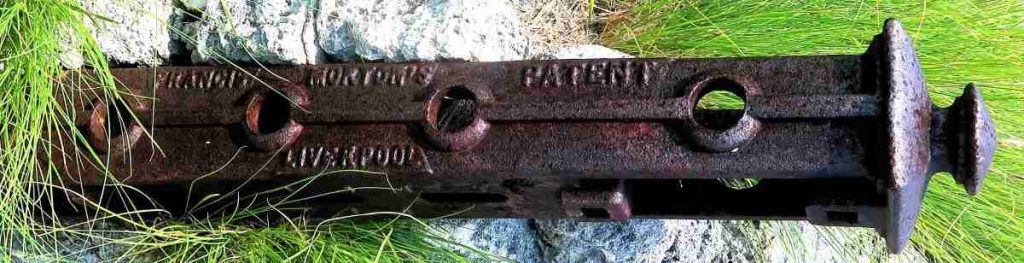
Patent on pillar

Francis Morton Patent

South Sutor

Fence Post

Morton Logo

Francis Morton Co. Ltd

St Helena

Morton fence, St Helena

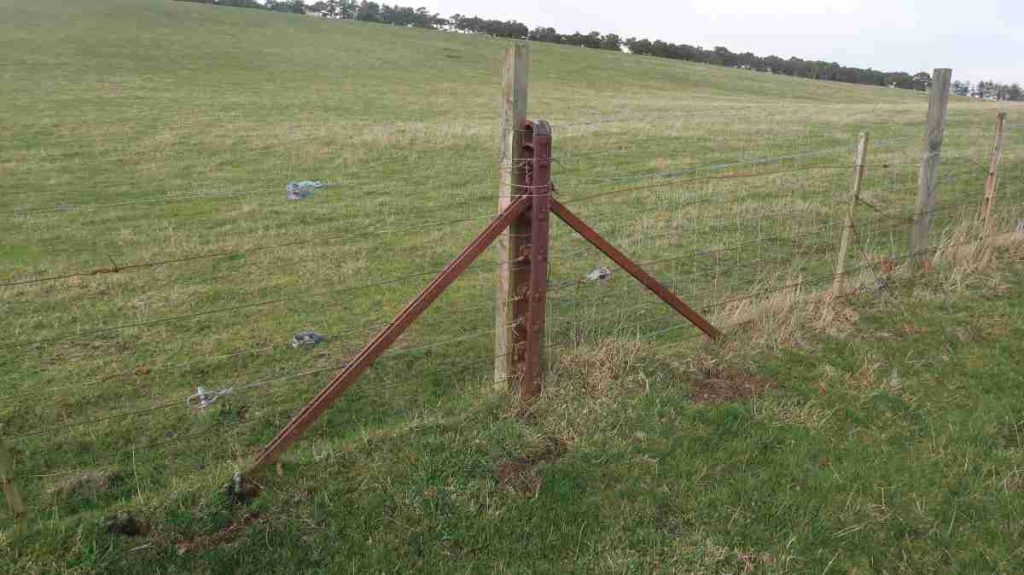
Morton fence

Old Morton Fence Line

Morton Post

Morton Fence Post

© Pink Routes 2021 | All Rights Reserved.
  • HOME PAGE
    • Members/Join
    • Map
    • Cookie Policy (UK)
    • Privacy Policy
    • Terms & Conditions
    • Site Map
  • RESEARCH
    • The British Army
      • British Army Deployment 1853
  • Features of Port Defence
  • British Fortifications
    • Polygonal Forts
    • Twydall Profile
  • Defended Ports
    • Home Defended Ports
    • Overseas Defended Ports
  • Port Defence
    • General Principles for Defended Ports
    • Coast Defence Batteries
    • Coastal Forts
    • Land Forts
    • Artillery
      • British Coast Defence Guns
      • Disappearing Guns
      • High Angle Fire Guns
      • Position Finding
    • Tresidders Cartridge Store
    • Defence Electric Lights
      • Protecting Defence Electric Lights
    • Submarine Warfare
      • Analysis of a Submarine Mining Establishment
      • Gazetteer of SMEs
      • Brenann Torpedo
    • Ordnance Depots
  • The Royal Navy
    • Warships
      • Motor Torpedo Boats
  • ODDS & ENDS
    • COAL
      • Coaling Stations
        • Coaling Stations Finance
    • Cable Communications
    • Boundary Stones
    • Fencing
    • Water Tanks
  • HOME WATERS
    • ENGLAND
      • Barrow
      • Bristol
      • Chatham (Dockyard)
      • Sheerness
      • Newhaven
      • Dover (Dockyard)
      • Falmouth
      • Hartlepool
      • Harwich
      • Humber
      • Mersey
      • Plymouth (Dockyard)
      • Portland
      • Portsmouth (Dockyard)
      • Sunderland
      • Tees
      • Thames
      • Tyne
    • WALES
      • Barry
      • Cardiff
      • Milford Haven
      • Swansea
    • SCOTLAND
      • Aberdeen
      • Clyde
      • Forth
      • Scarpa Flow
      • Tay
    • IRELAND
      • Belfast
      • Berehaven Anchorage
      • Cork
      • Dublin
      • Lough Swilly Anchorage
    • Channel Islands
      • Alderney
      • Guernsey
      • Jersey
    • Isles of Scilly (St May’s)
  • ATLANTIC OCEAN
    • Halifax
    • St John’s, Newfoundland
    • CARIBBEAN
      • St Lucia (Coaling Station)
      • Port Royal (Coaling Station)
      • Bridge Town, Barbados
      • Belize, British Honduras
      • Georgetown, British Guiana
      • Port of Spain, Trinidad
    • Bermuda (Fortress)
    • Falkland Islands (Coaling Station)
    • Ascension Island
    • St Helena (Coaling Station)
    • Sierra Leone (Coaling Station)
    • South Africa, Atlantic Ocean
      • Table Bay
      • Simon’s Town
  • INDIAN OCEAN
    • South Africa, Indian Ocean
      • Durban
      • Agloa Bay, Port Elizabeth, South Africa
    • Mauritius (Coaling Station)
    • Aden
      • Perim Island
    • Ceylon – Sri Lanaka
      • Colombo (Coaling Station)
      • Trincomalee (Coaling Station)
    • Australian Seaboard, West Coast
      • Fremantle
      • Port Adelaide
      • Port Philip, Melbourne
      • Albany, King George’s Sound (Coaling Station)
      • Warnambool, Port Fairy and Portland
    • India
      • Bombay
      • Calcutta
      • Karachi
      • Madras
      • Rangoon
      • India Breech Loading Guns
  • PACIFIC OCEAN
    • Australia, East Coastline
      • Thursday Island, Torres Straights (Coaling Station)
      • Townsville, Cleveland Bay
      • Brisbane
      • Newcastle
      • Sydney
      • Wollongong
      • Hobart, Tasmania
      • Launceston, Tasmania
    • Singapore (Coaling Station)
    • Hong Kong (Coaling Station)
      • Hong Kong 1864
    • Wei Hai Wei
    • New Zealand
      • Auckland
      • Wellington
      • Otago, Port Chalmers and Dunedin
      • Port Lyttelton
    • Esquimalt, Coaling Station
  • MEDITERRANEAN
    • Gibraltar
    • Malta
Defence of British Ports
Manage Cookie Consent
We use cookies to optimise this website for your use.  This is none profit for educational purposes only.
Functional Always active
The technical storage or access is strictly necessary for the legitimate purpose of enabling the use of a specific service explicitly requested by the subscriber or user, or for the sole purpose of carrying out the transmission of a communication over an electronic communications network.
Preferences
The technical storage or access is necessary for the legitimate purpose of storing preferences that are not requested by the subscriber or user.
Statistics
The technical storage or access that is used exclusively for statistical purposes. The technical storage or access that is used exclusively for anonymous statistical purposes. Without a subpoena, voluntary compliance on the part of your Internet Service Provider, or additional records from a third party, information stored or retrieved for this purpose alone cannot usually be used to identify you.
Marketing
The technical storage or access is required to create user profiles to send advertising, or to track the user on a website or across several websites for similar marketing purposes.
  • Manage options
  • Manage services
  • Manage {vendor_count} vendors
  • Read more about these purposes
Preferences
  • {title}
  • {title}
  • {title}