The 12-pdr (12 cwt) is a 3-inch (76.2-mm) gun that was introduced in 1894 and was to remain in service until well after 1945 in some locations. Manufactured by Elswick Ordnance Company, Vickers this light gun was ideal for inshore and river vessels and was used extensively in small wars. The gun had an effective range of 11,750 yards (10,740 metres) at a 40-degree elevation, although considerably less in earlier years.
With a rate of fire of fifteen rounds per minute, it was used for coast defences by the British, along with the 9.2-inch and 6-inch guns. The 12-pdr was primarily intended to combat the smaller, faster moving vessels which had less armour, particularly torpedo boats and destroyers. They therefore tended to be mounted in batteries of two or more guns at choke points and to protect minefields and boom defences.
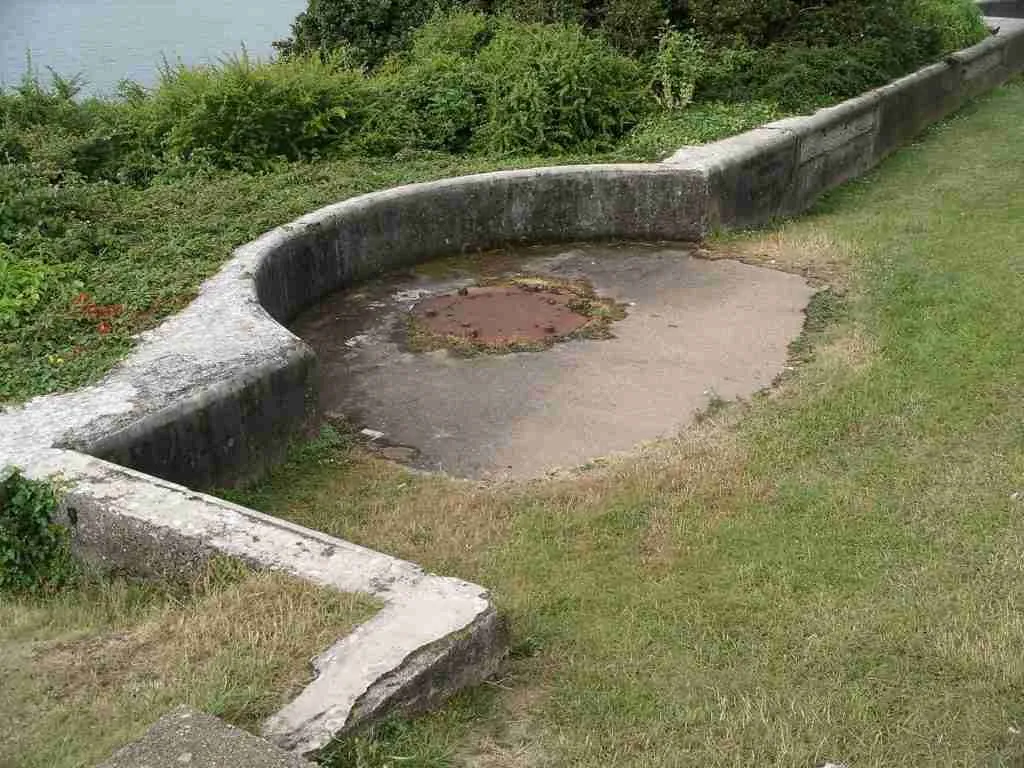
The guns were usually in barbette mounts with expense lockers to hand. The Quick-Fire ammunition was usually held in a small magazine nearby. In some cases, the 12-pdr were used in land defences, for example San Giovanni Battery on the Victoria Lines in Malta, and in the Upper Union Galleries in Gibraltar. They were also often used in conjunction with Maxim or similar machine guns.
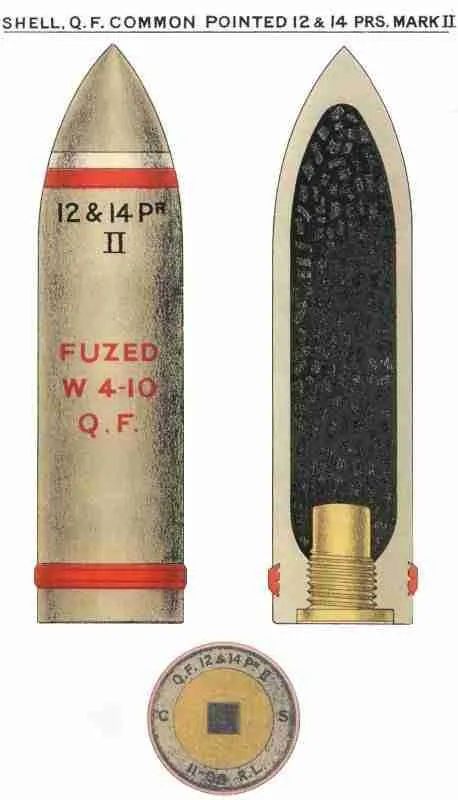
The gun had the following types of ammunition:
- Shrapnel Shell
- Common (Lyddite) Shell
By 1913 there were four main natures of this 12-pdr gun:
- 12-pdr 12-cwt that has been described above. Used as an anti-torpedo gun and sometimes as the main armament for destroyers.
- 12-pdr 18-cwt, again used as an anti-torpedo boat gun although was being replaced by the 4-inch gun.
- 12-pdr 8-cwt was used as a support weapon for the heavily armed older ships, or for the main armament of “River” class destroyers. This nature had a specific field carriage made for it.
- 12-pdr 4-cwt for light cruisers and as a field gun.
Extracted from Handbook for the 12-pr. Quick-Firing Guns. 1913. Admiralty reference Number G. 17826/12.