john@pinkroutes.com
Defence of British PortsDefence of British PortsDefence of British PortsDefence of British Ports
  • Home
    • Members/Join
    • Word Map
    • HMOCS
      • Palestine
      • Kenya
        • Kenya Family
      • Hong Kong
    • Cookie Policy (UK)
    • Privacy Policy
    • Terms & Conditions
    • Site Map
  • RESEARCH
    • THE BRITISH ARMY
      • British Army Deployment 1853
    • EVOLUTION OF FORTIFICATIONS
      • Polygonal Forts
      • Martello Towers
      • Twydall Profile
    • DEFENDED PORTS
      • Home Defended Ports
      • Overseas Defended Ports
    • FEATURES OF PORT DEFENCE
      • General Principles for Defended Ports
      • Coast Defence Batteries
      • Coastal Forts
      • Land Forts
      • Artillery
        • British Coast Defence Guns
        • Disappearing Guns
        • High Angle Fire Guns
        • Position Finding
      • Tresidders Cartridge Store
      • Defence Electric Lights
        • Protecting Defence Electric Lights
      • Submarine Warfare
        • Analysis of a Submarine Mining Establishment
        • Gazetteer of SMEs
        • Brenann Torpedo
      • Ordnance Depots
    • ROYAL NAVY
      • Warships
        • Motor Torpedo Boats
    • ODDS & ENDS
      • CABLES
      • COAL
        • Coaling Stations
          • Coaling Stations Finance
      • BOUNDARY STONES
      • FENCING
      • WATER TANKS
  • Home Waters
    • ENGLAND
      • Barrow
      • Bristol
      • Chatham
        • Sheerness
      • Dover
      • Falmouth
      • Hartlepool
      • Harwich
      • Humber
      • Mersey
      • Newhaven
      • Plymouth
      • Portland
      • Portsmouth
      • Sunderland
      • Tees
      • Thames
      • Tyne
    • SCOTLAND
      • Aberdeen
      • Clyde
      • Forth
      • Scarpa Flow
      • Tay
    • WALES
      • Barry
      • Cardiff
      • Milford Haven
      • Swansea
    • IRELAND
      • Belfast
      • Berehaven Anchorage
      • Cork
      • Dublin
      • Lough Swilly Anchorage
    • CHANNEL ISLANDS
      • Alderney
      • Jersey
      • Guernsey
    • ISLES OF SCILLY
  • Atlantic Ocean
    • HALIFAX
      • St John’s
    • CARIBBEAN
      • St Lucia
      • Port Royal
      • Barbados
      • Bahamas
      • Trinidad & Tobago
      • British Guiana
      • British Honduras
    • BERMUDA
    • FALKLAND ISLANDS
    • ASCENSION ISLAND
    • ST HELENA
    • SIERRA LEONE
    • SOUTH AFRICA – ATLANTIC OCEAN
      • Table Bay
      • Simon’s Town
  • Indian Ocean
    • SOUTH AFRICA – INDIAN OCEAN
      • Port Elizabeth
      • Durban
    • MAURITIUS
    • ADEN
      • Perim Island
    • CEYLON
      • Colombo
      • Trincomalee
    • AUSTRALIA -WEST COAST
      • Fremantle
      • Port Adelaide
      • Port Philip
      • Albany
      • Warnambool, Port Fairy & Portland
    • INDIA
      • Bombay
      • Calcutta
      • Karachi
      • Madras
      • Rangoon
      • India Breech Loading Guns
  • Pacific Ocean
    • AUSTRALIA – EAST COAST
      • Thursday Island
      • Townsville
      • Brisbane
      • Newcastle
      • Sydney
      • Wollongong
      • Hobart
      • Launceston
    • SINGAPORE
    • HONG KONG
      • Hong Kong 1864
    • WEI HAI WEI
    • NEW ZEALAND
      • Auckland
      • Wellington
      • Otago, Port Chalmers and Dunedin
      • Port Lyttelton
    • ESQUIMALT
  • Mediterranean Sea
    • MALTA
    • GIBRALTAR

Brenann Torpedo

  • Brenann Torpedo
  • Gazetteer of SMEs
  • Analysis of a Submarine Mining Establishment
Home RESEARCH Defended Ports Port Defence Submarine Warfare Brenann Torpedo

THE BRENANN TORPEDO

Development of the Brennan Torpedo

The Brennan Torpedo was was designed by Louis Brennan and a working version was available by 1878.  The following year the Royal Navy carried out a successful test in Hobsons Bay, Melbourne, Australia but the device was not found unsuitable for shipborne use.  In 1881 the Royal Engineers examined the Brennan Torpedo at Chatham and strongly recommended its adoption.  Over the next three years the Brennan Torpedo was tested and further developed and in 1884 it was formerly adopted as a harbour defence weapon.

Brennan Torpedo Stations

In 1891 It was intended to build 15 stations as indicated in a report to the Director of Artillery.  We have now completed or in progress 7 installations viz. Thames (Cliffe), Medway (Garrison Pt), Portsmouth (Cliff End/Fort Albert), Plymouth (Pier Cellars/Cawsand Bay), Cork Harbour (Fort Camden), Malta (Tigné and Ricasoli). Further sites proposed as funds become available at Plymouth (Bovisand), Milford Haven, Clyde, Forth, Falmouth, Hong Kong, Singapore and St Lucia. The first seven were completed but out of the other eight only the one at Hong Kong was completed. The plans for two installations at Dale Point and Great Castle Head, Milford Haven were drawn up but not carried out.  Four Brennan installations were added to existing fortifications at Fort Albert on the Isle of Wight, Cliffe Fort on the Thames, Garrison Point at the entrance to The Medway and at Fort Ricasoli at the entrance to the Grand Harbour at Malta. With the exception of Ricasoli, the design of these was constrained by the existing structure and resulted in unique designs. In addition the ones at Fort Camden at Cork and Tigné at Malta together with proposed designs for Milford Haven followed a very similar layout while the Installations at Lei Yue Mun in Hong Kong and Pier Cellars at Plymouth were individual designs.

Lei Yue Mun Redoubt in Hong Kong

Cliffe Fort on the River Thames

Garrison Point Fort on the Medway

Fort Albert at Portsmouth covering the Needles Passage

Piers Cellars at Plymouth

Fort Camden at Cork Harbour

Fort Tigne covering Marsamzett Harbour in Malta

Fort Ricasoli covering the Grand Harbour in Malta

Original Brennan Torpedo, Royal Engineers Museum.

Brennan_Torpedo

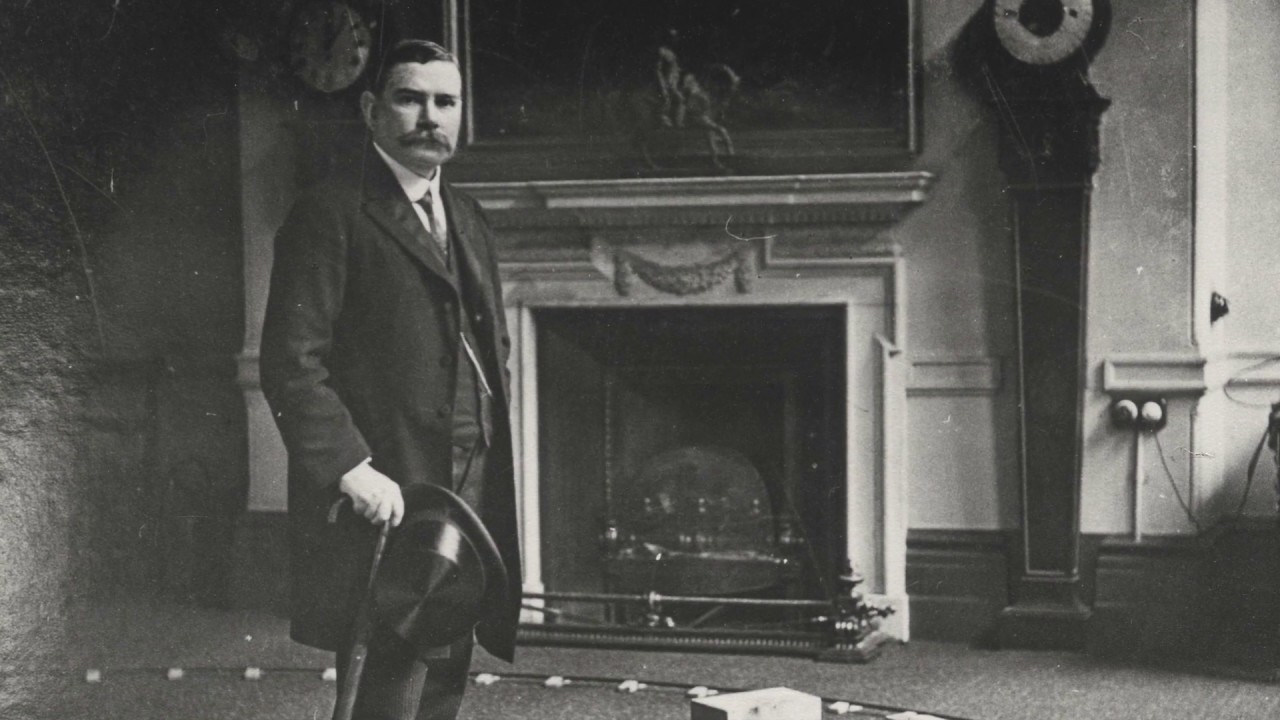
The video on the right was prepared by the Royal Engineers Museum and contains some original images of the Brennan Torpedo.  The Museum exhibits a surviving example of a Brennan Torpedo.

The vide clip on the left shows in some detail how the Brennan Torpedo was controlled after it was launched.  Arguably the first guided missile operationally deloyed.

© Pink Routes 2021 | All Rights Reserved.
  • HOME PAGE
    • Members/Join
    • Map
    • Cookie Policy (UK)
    • Privacy Policy
    • Terms & Conditions
    • Site Map
  • RESEARCH
    • The British Army
      • British Army Deployment 1853
  • Features of Port Defence
  • British Fortifications
    • Polygonal Forts
    • Twydall Profile
  • Defended Ports
    • Home Defended Ports
    • Overseas Defended Ports
  • Port Defence
    • General Principles for Defended Ports
    • Coast Defence Batteries
    • Coastal Forts
    • Land Forts
    • Artillery
      • British Coast Defence Guns
      • Disappearing Guns
      • High Angle Fire Guns
      • Position Finding
    • Tresidders Cartridge Store
    • Defence Electric Lights
      • Protecting Defence Electric Lights
    • Submarine Warfare
      • Analysis of a Submarine Mining Establishment
      • Gazetteer of SMEs
      • Brenann Torpedo
    • Ordnance Depots
  • The Royal Navy
    • Warships
      • Motor Torpedo Boats
  • ODDS & ENDS
    • COAL
      • Coaling Stations
        • Coaling Stations Finance
    • Cable Communications
    • Boundary Stones
    • Fencing
    • Water Tanks
  • HOME WATERS
    • ENGLAND
      • Barrow
      • Bristol
      • Chatham (Dockyard)
      • Sheerness
      • Newhaven
      • Dover (Dockyard)
      • Falmouth
      • Hartlepool
      • Harwich
      • Humber
      • Mersey
      • Plymouth (Dockyard)
      • Portland
      • Portsmouth (Dockyard)
      • Sunderland
      • Tees
      • Thames
      • Tyne
    • WALES
      • Barry
      • Cardiff
      • Milford Haven
      • Swansea
    • SCOTLAND
      • Aberdeen
      • Clyde
      • Forth
      • Scarpa Flow
      • Tay
    • IRELAND
      • Belfast
      • Berehaven Anchorage
      • Cork
      • Dublin
      • Lough Swilly Anchorage
    • Channel Islands
      • Alderney
      • Guernsey
      • Jersey
    • Isles of Scilly (St May’s)
  • ATLANTIC OCEAN
    • Halifax
    • St John’s, Newfoundland
    • CARIBBEAN
      • St Lucia (Coaling Station)
      • Port Royal (Coaling Station)
      • Bridge Town, Barbados
      • Belize, British Honduras
      • Georgetown, British Guiana
      • Port of Spain, Trinidad
    • Bermuda (Fortress)
    • Falkland Islands (Coaling Station)
    • Ascension Island
    • St Helena (Coaling Station)
    • Sierra Leone (Coaling Station)
    • South Africa, Atlantic Ocean
      • Table Bay
      • Simon’s Town
  • INDIAN OCEAN
    • South Africa, Indian Ocean
      • Durban
      • Agloa Bay, Port Elizabeth, South Africa
    • Mauritius (Coaling Station)
    • Aden
      • Perim Island
    • Ceylon – Sri Lanaka
      • Colombo (Coaling Station)
      • Trincomalee (Coaling Station)
    • Australian Seaboard, West Coast
      • Fremantle
      • Port Adelaide
      • Port Philip, Melbourne
      • Albany, King George’s Sound (Coaling Station)
      • Warnambool, Port Fairy and Portland
    • India
      • Bombay
      • Calcutta
      • Karachi
      • Madras
      • Rangoon
      • India Breech Loading Guns
  • PACIFIC OCEAN
    • Australia, East Coastline
      • Thursday Island, Torres Straights (Coaling Station)
      • Townsville, Cleveland Bay
      • Brisbane
      • Newcastle
      • Sydney
      • Wollongong
      • Hobart, Tasmania
      • Launceston, Tasmania
    • Singapore (Coaling Station)
    • Hong Kong (Coaling Station)
      • Hong Kong 1864
    • Wei Hai Wei
    • New Zealand
      • Auckland
      • Wellington
      • Otago, Port Chalmers and Dunedin
      • Port Lyttelton
    • Esquimalt, Coaling Station
  • MEDITERRANEAN
    • Gibraltar
    • Malta
Defence of British Ports
Manage Cookie Consent
We use cookies to optimise this website for your use.  This is none profit for educational purposes only.
Functional Always active
The technical storage or access is strictly necessary for the legitimate purpose of enabling the use of a specific service explicitly requested by the subscriber or user, or for the sole purpose of carrying out the transmission of a communication over an electronic communications network.
Preferences
The technical storage or access is necessary for the legitimate purpose of storing preferences that are not requested by the subscriber or user.
Statistics
The technical storage or access that is used exclusively for statistical purposes. The technical storage or access that is used exclusively for anonymous statistical purposes. Without a subpoena, voluntary compliance on the part of your Internet Service Provider, or additional records from a third party, information stored or retrieved for this purpose alone cannot usually be used to identify you.
Marketing
The technical storage or access is required to create user profiles to send advertising, or to track the user on a website or across several websites for similar marketing purposes.
  • Manage options
  • Manage services
  • Manage {vendor_count} vendors
  • Read more about these purposes
Preferences
  • {title}
  • {title}
  • {title}